

As we age, life brings a series of changes that can be both rewarding and challenging. For many seniors, these changes can lead to feelings of grief and depression. National Grief Awareness Day is on August 30, and understanding the common reasons for these emotions and knowing where to seek help is crucial for maintaining mental well-being.
Common Reasons for Grief and Depression in Seniors
- Loss of Loved Ones: The loss of friends, family members, or a spouse can lead to profound grief. Seniors may find it challenging to cope with these losses, leading to feelings of loneliness and sadness.
- Health Issues: Chronic illnesses, physical limitations, and declining health can be significant stressors. The inability to perform daily tasks independently can lead to frustration and a sense of helplessness.
- Social Isolation: As mobility decreases and social circles shrink, seniors may experience increased isolation. The lack of regular social interaction can contribute to feelings of depression.
- Life Transitions: Retirement, moving to a new home, or changes in living arrangements can be overwhelming. Adjusting to these new realities can trigger grief and depression.
How Senior Life Solutions Can Help
At Pipestone County Medical Center, our Senior Life Solutions program is dedicated to addressing the unique mental health needs of older adults. Our team of professionals provides comprehensive support to help seniors navigate these challenging emotions.
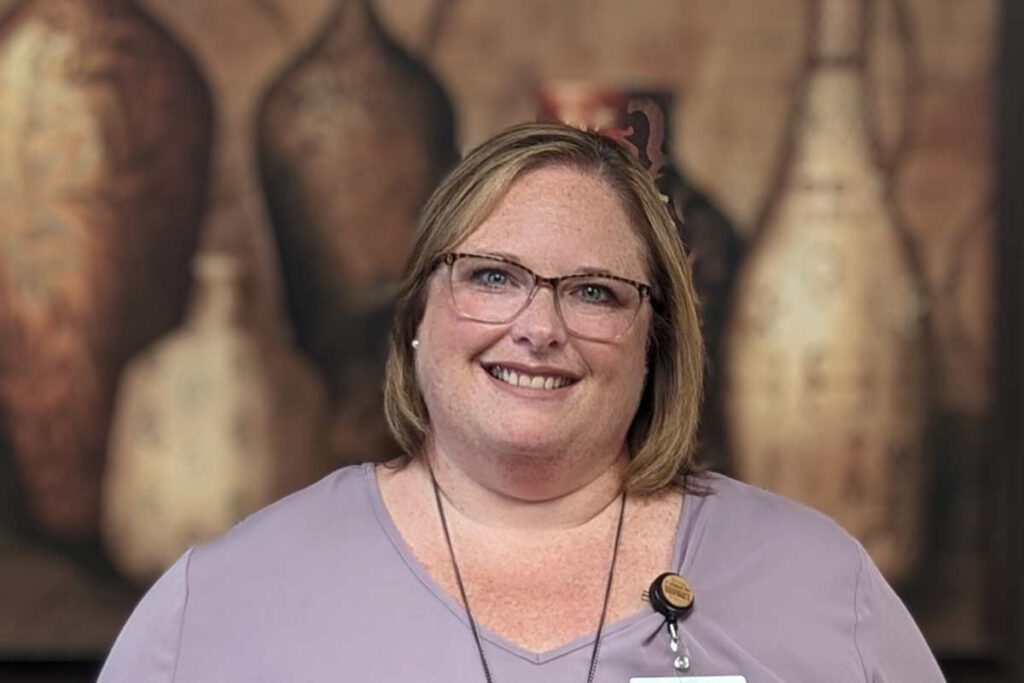
Personalized Treatment Plans: “Each participant receives a tailored treatment plan that addresses their specific needs. This may include therapy, medication management, and wellness activities,” says Kristee Hart, Program Director for Senior Life Solutions.
Group Therapy: “Sharing experiences with peers in a supportive group setting can be incredibly therapeutic. Our group therapy sessions encourage social interaction and mutual support,” Hart explains.
Individual Counseling: “One-on-one sessions with our mental health professionals offer personalized guidance and coping strategies to manage grief and depression effectively,” Hart adds.
Family Involvement: “We encourage family involvement in the treatment process. Educating family members about their loved one’s condition and how they can offer support is a key component of our program,” says Hart.
Access to Resources: Senior Life Solutions connects seniors with community resources that can provide additional support, such as social services, health care providers, and recreational programs.
On National Grief Awareness Day, we recognize the importance of addressing grief and depression in the senior community. If you or a loved one is experiencing these emotions, don’t hesitate to contact Senior Life Solutions at Pipestone County Medical Center by calling 507-825-7210. Together, we can navigate the journey towards healing and well-being.