

Preeclampsia
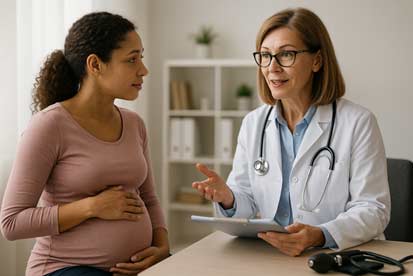
Monitoring blood pressure is critical to prenatal care, and for good reason. Elevated blood pressure during pregnancy can lead to serious complications for both mother and baby, including a condition known as preeclampsia.
“Preeclampsia is more than just high blood pressure,” says Breana DeKam, OB/Cardiology Nurse Coordinator at Pipestone County Medical Center. “It can affect the kidneys, liver, and brain, and can lead to premature birth or other life-threatening complications if not addressed early.”
High blood pressure typically begins after 20 weeks of pregnancy. In addition to elevated readings, signs of preeclampsia may include swelling in the hands and face, sudden weight gain, headaches, and vision changes. That’s why routine prenatal visits are so important.
“We monitor each patient’s blood pressure closely throughout pregnancy,” DeKam explains. “It’s a simple check that provides critical insight into how mom and baby are doing.”
What causes preeclampsia?
While the exact cause of preeclampsia is unknown, certain risk factors increase a woman’s chance of developing it, such as a history of high blood pressure, first-time pregnancy, carrying multiples, and being over age 35.
“Education is so important,” DeKam emphasizes. “We want every expecting mother to feel comfortable asking questions, sharing concerns, and following through on recommended screenings and lifestyle changes.”
For most women, managing blood pressure involves a combination of proper nutrition, regular exercise, and stress reduction. In more serious cases, medication or early delivery may be necessary.
“Our goal is always a healthy mom and baby,” says DeKam. “The earlier we can detect and manage any blood pressure concerns, the better the outcome.”